
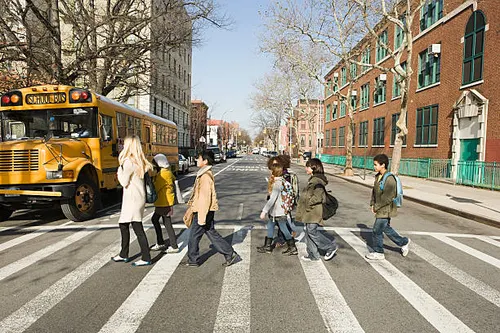
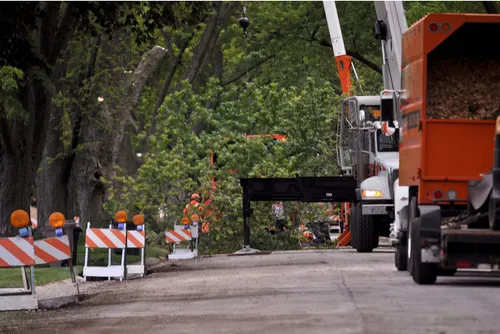
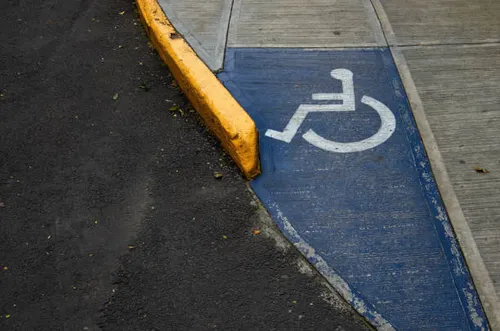
Traditional road safety audits often focus on compliance with geometric standards—but real safety is experienced, not just measured. Increasingly, practitioners are adopting empathy-based approaches: walking corridors with schoolchildren, navigating them in wheelchairs, or observing them at dusk to understand how lighting, vegetation, and signage affect visibility.
During an audit near a secondary school in Kiambu, for instance, auditors discovered that while road markings met official specifications, overgrown shrubs and missing streetlights created blind spots at crossings heavily used by students. The fix was simple: trim vegetation, install solar bollards, and add retroreflective signs. These low-cost changes addressed the actual risk—not just the theoretical one.
By centering the experiences of vulnerable road users—pedestrians, cyclists, persons with disabilities, and elderly residents—safety audits become tools for inclusive design. In a region where over half of road fatalities involve pedestrians, that shift in perspective isn’t just valuable—it’s lifesaving.