
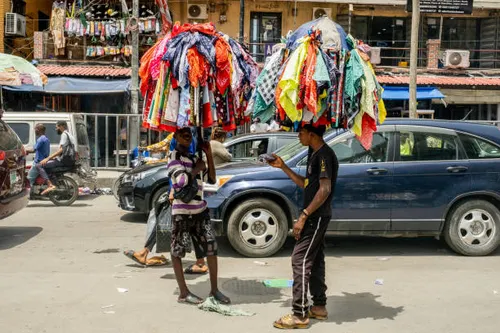
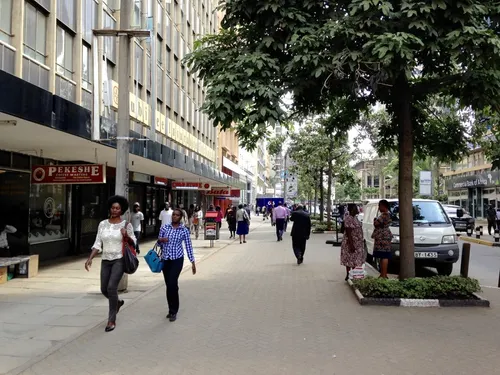
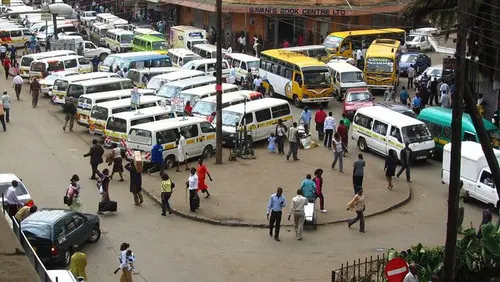
In fast-growing African cities, streets have long been shaped by the movement of cars, often at the expense of pedestrians, cyclists, and public transport users. Yet the majority of urban trips—especially in cities like Nairobi, Kampala, and Dar es Salaam—are made on foot or via informal transit. The emerging consensus among planners is clear: sustainable urban mobility begins when streets are designed as shared public spaces that prioritize safety, access, and dignity for all users, not just speed for private vehicles.
This shift doesn’t require massive budgets or futuristic tech. It starts with rethinking curb space, formalizing informal crossings, planting street trees for shade, and ensuring sidewalks are continuous and unobstructed. Cities like Kigali and Addis Ababa have shown that integrating bus rapid transit with safe pedestrian pathways can transform commutes while reducing congestion. Community input is equally vital—local residents often know exactly where bottlenecks, blind spots, or informal activity hubs exist.
When success is measured not just by vehicle throughput but by reduced pedestrian injuries, increased women’s mobility at night, or shorter school commutes for children, transport planning becomes a tool for equity. As national and city-level mobility policies evolve across East Africa, the opportunity lies in grounding them in everyday realities—so streets become places of connection, not just corridors of transit.