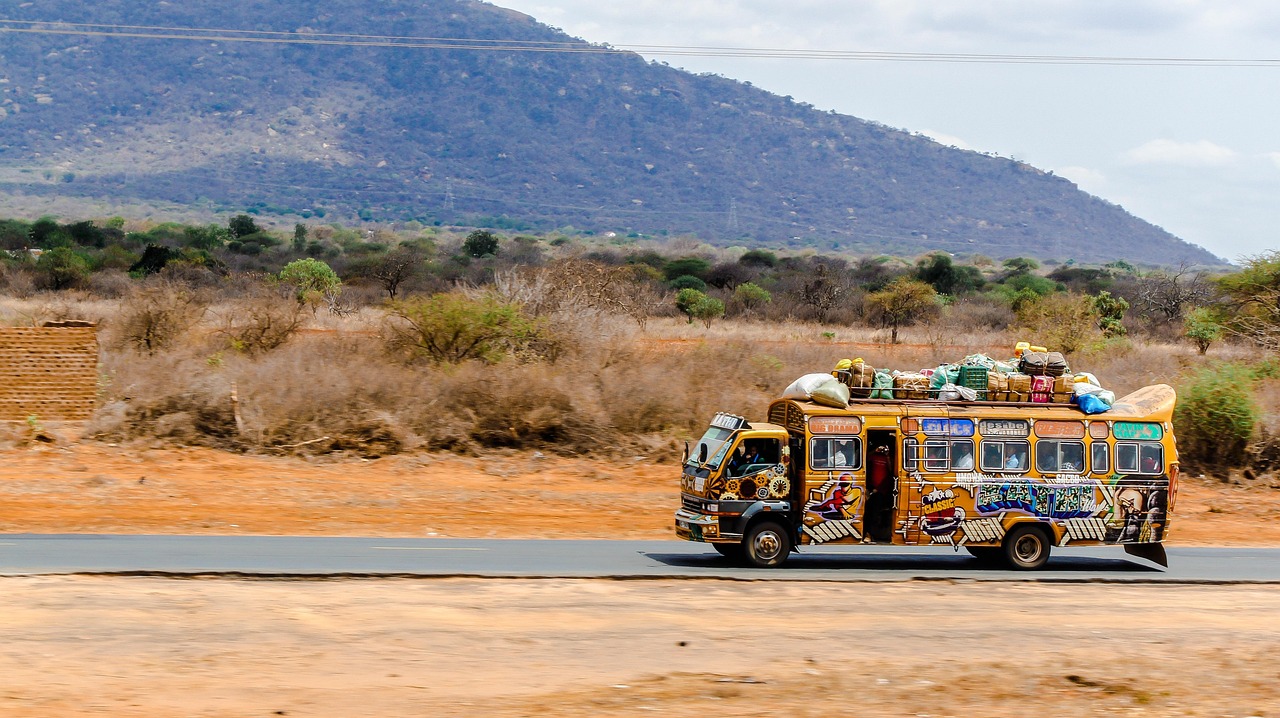
Thika Superhighway is a critical Nairobi corridor linking Ruiru, Juja and Thika. But rapid land-use densification, rising vehicle ownership and intense commercial activity now produce severe peak-hour congestion.
What’s causing the delays?
- Demand growth outpacing capacity: new estates, universities and retail centers generate heavy daily commuting.
- High reliance on private cars and matatus: Frequent joining/exiting creates weaving conflicts and speed breakdowns.
- Bottlenecks and service-lane friction: Interchanges (Muthaiga, Githurai, KU, Survey, Ruiru) and narrow service lanes trigger abrupt lane changes and queues.
- Weak operations and incident management: Poor signal coordination, limited ITS deployment, inconsistent enforcement, and slow clearance of crashes/breakdowns amplify delays.
- Pedestrian and boda-boda conflict points: Unsafe crossings and roadside stopping/counterflow disrupt traffic flow and increase risk.
What can be done about the situation?
- Quick wins (0–12 months): coordinated signals, clearer signage/wayfinding, enforcement of stopping and lane discipline, designated PSV/boda bays, and faster incident response (tow trucks, rapid teams).
- Medium-term: interchange and service-lane reconfiguration, targeted widening at bottlenecks, safer crossings and continuous NMT facilities.
- Long-term: expanding high-capacity public transport (BRT, commuter rail) and park-and-ride to reduce private-car dependence.
At Glince, we support corridor solutions through traffic data collection and modelling, junction/interchange redesign, and smart mobility/ITS integration—focused on measurable improvements in travel time, safety and reliability.